
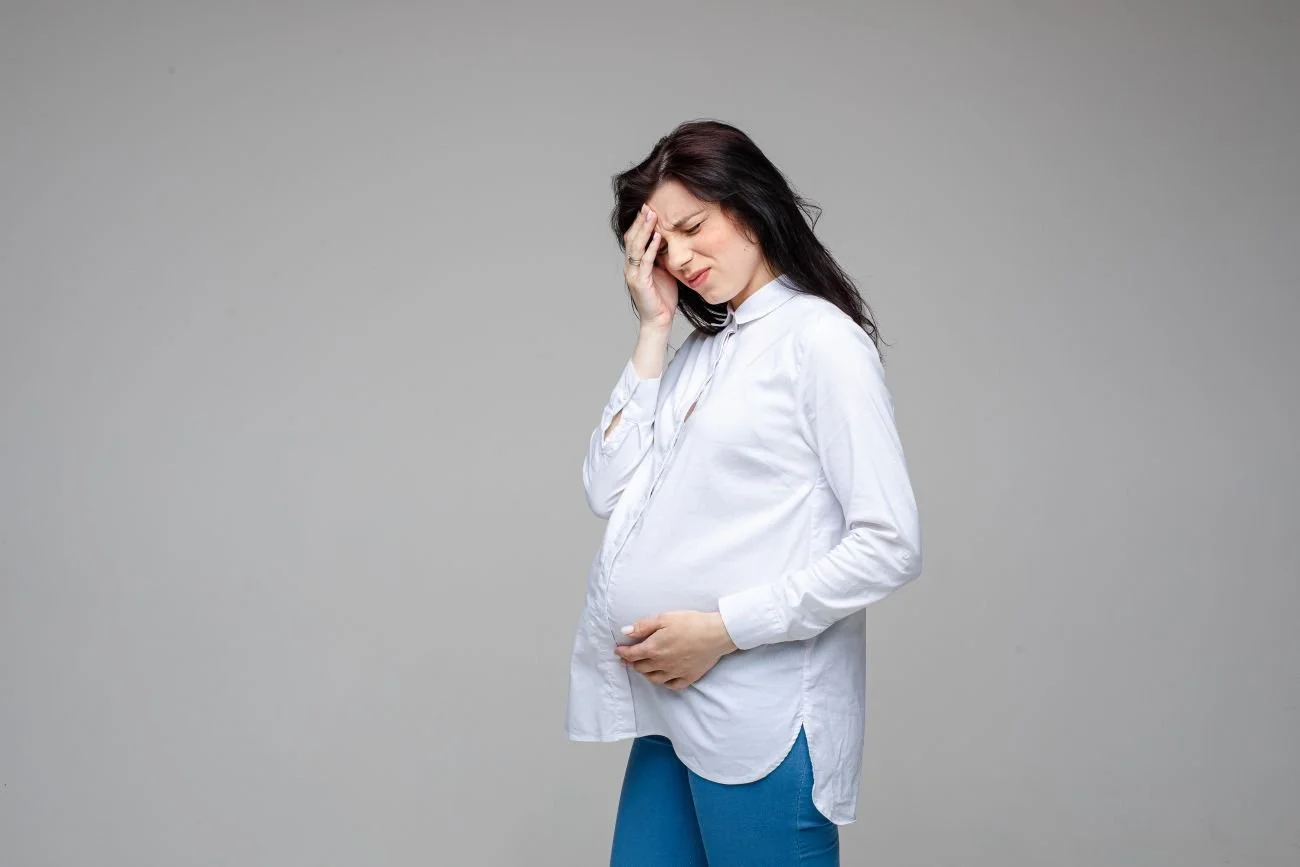
If you are pregnant and feeling a deep ache, pinch, or sharp twinge in your pelvis, you are far from alone. Pelvic pain during pregnancy is one of the most common complaints expecting moms have, especially as pregnancy progresses. The good news is that it is usually a normal response to the changes your body is going through, and there is a lot you can do to feel better. This guide covers what causes pelvic pain in pregnancy, how gentle chiropractic care can help ease it, what you can try at home, and the signs that mean you should call your doctor.
What Causes Pelvic Pain During Pregnancy?
Your body goes through remarkable changes to make room for a growing baby, and the pelvis sits at the center of all of them. A few things happen at once. Your uterus expands and adds weight and pressure to the pelvic area. A hormone called relaxin loosens the ligaments around the pelvis to prepare for birth, which is helpful for delivery but can leave those joints less stable in the meantime. And your center of gravity shifts forward, changing how you stand, walk, and carry the load. Together, these put extra strain on the pelvic joints and the muscles and ligaments that support them.
Pelvic Girdle Pain and SPD
When the pain centers on the pelvic joints themselves, it is often called pelvic girdle pain. A common form of this is symphysis pubis dysfunction, or SPD, which affects the joint at the front of the pelvis where the two halves meet. With SPD, that joint becomes irritated and moves unevenly, which can cause pain in the front of the pelvis, the groin, or the inner thighs, and it often flares when you walk, climb stairs, roll over in bed, or get in and out of a car.
Round Ligament Pain
Not all pregnancy pelvic pain comes from the joints. The round ligaments support the uterus on each side, and as they stretch to accommodate its growth, they can produce a sharp, brief, stabbing sensation low in the belly or groin, usually when you change position suddenly. This round ligament pain is generally harmless, though it can be startling, and it is most common in the second trimester.
How Chiropractic Care Helps With Pelvic Pain
Much of pregnancy pelvic pain comes down to how evenly the pelvis is balanced and moving. When the joints of the pelvis are misaligned or moving unevenly, the strain concentrates, the surrounding muscles tighten to compensate, and the discomfort builds. Gentle chiropractic care works to restore balanced, even movement to the pelvis so that strain is distributed the way it should be, which can take pressure off the irritated joints and ligaments.
Our approach is rooted in the nervous system and is built around specific, low-force adjustments rather than anything forceful, which you can read more about on our Torque Release Technique page. For pregnancy, care is adapted to your body and your stage, with positioning and techniques that keep you comfortable throughout. You can see how we support moms across pregnancy on our pregnancy care page.
Dealing with pelvic pain and want to know if care can help? Book an appointment and we will start with a thorough evaluation.
Is Chiropractic Care Safe During Pregnancy?
For most pregnancies, gentle chiropractic care is a safe, drug-free option, and it is a common choice for expecting moms looking for relief without medication. Care is adapted specifically for the pregnant body, using low-force techniques and positioning that comfortably accommodate a growing belly. As with anything during pregnancy, it works best alongside the care of your OB or midwife, and a good chiropractor will evaluate you first and coordinate with your birth team when needed.
What You Can Do at Home
Alongside care, small daily adjustments can take real pressure off your pelvis. A few that tend to help:
Keep your knees together when getting in and out of a car, rolling over in bed, or standing up, since twisting the pelvis apart is often what triggers a flare.
Place a pillow between your knees when you sleep on your side to keep the pelvis aligned.
Consider a maternity support belt, which can ease the load on the pelvic joints during the day.
Avoid standing on one leg to get dressed, and sit down to put on pants or shoes.
Use gentle stretching and warmth on tight muscles, and rest before the pain builds rather than pushing through it.
For a fuller picture of prenatal care and what to expect, our complete guide to pregnancy chiropractic care is a good next read.
Pregnancy Back Pain and Related Aches
Pelvic pain rarely travels alone. Many moms also notice pregnancy back pain, particularly in the lower back, because the same shifting center of gravity and loosened ligaments that strain the pelvis also change how the spine carries weight. Back pain during pregnancy and pelvic pain often share a root cause, which is why care aimed at balancing the pelvis and spine together tends to help both rather than just one.
When to Call Your Doctor
Most pregnancy pelvic pain is a normal part of your body adapting, but some symptoms are not, and they warrant a prompt call to your OB or midwife. Reach out right away if you have severe or constant pelvic pain, any vaginal bleeding, regular or rhythmic contractions before your due date, a fever, pain or burning with urination, or a sudden change that feels different from your usual discomfort. When in doubt, it is always worth a call. This guide is about the ordinary aches of pregnancy, not a substitute for your provider's judgment.
Pelvic Pain Relief for Expecting Moms in Glenwood Springs
You do not have to just push through pelvic pain until birth. If you are pregnant in the Glenwood Springs area and looking for gentle, natural relief, we would love to help. Trailhead Chiropractic offers pregnancy-adapted care focused on keeping your pelvis balanced and comfortable through every stage, and every visit starts with understanding your body and where the strain is coming from. Learn more about our pregnancy care, and when you are ready, we will make it easy to get started.
Ready to feel more comfortable? Book an appointment or call (970) 456-4562, and we will find a time that works for you.
Frequently Asked Questions
What Does Pelvic Pain During Pregnancy Feel Like?
It varies. Some moms feel a deep ache or pressure low in the pelvis, others a sharp pinch in the groin or front of the pelvis, and some a stabbing sensation when they change position quickly. Pelvic girdle pain and SPD often flare with walking, stairs, or rolling over in bed, while round ligament pain tends to be brief and sudden.
When Does Pelvic Pain Usually Start in Pregnancy?
It can begin at any point, but it most often shows up in the second and third trimesters as the baby grows, the ligaments loosen, and your center of gravity shifts. Round ligament pain in particular is common in the second trimester.
Is Chiropractic Care Safe for Pelvic Pain During Pregnancy?
For most pregnancies, yes. Care is gentle, low-force, and adapted for the pregnant body, and it is a common drug-free choice for relief. It works best alongside your OB or midwife, and a chiropractor should evaluate you first to confirm it is appropriate for your situation.
How Can I Relieve Pelvic Pain at Night?
Sleeping on your side with a pillow between your knees helps keep the pelvis aligned, and keeping your knees together when you roll over reduces the twisting that triggers a flare. A support belt during the day and easing activity before the pain builds can also make nights more comfortable.
Will Pelvic Pain Go Away After Birth?
For most women, pregnancy-related pelvic pain eases significantly in the weeks after delivery as hormone levels normalize and the pelvic joints stabilize. If pain lingers well beyond that, it is worth having it evaluated.
When Should I Worry About Pelvic Pain in Pregnancy?
Call your provider promptly for severe or constant pain, bleeding, regular contractions before your due date, fever, or pain with urination. These go beyond the ordinary aches of pregnancy and need medical attention.